-
Representing Silence

-
Representing Silence

-
Representing Silence
May 10 – June 8
Artist: Nicolás CombarroThis project was carried out with the collaboration of the Spanish Agency for International Development Cooperation (AECID) and the support of the Spanish Ministry of Culture and Sports. It also received backing from the “Tender Puentes” project of the Museo Universidad de Navarra and research support from the Casa de Velázquez.
The exhibition is presented in Buenos Aires thanks to the partnership between MUNTREF Contemporary Art Center, Hotel de Inmigrantes site, and the CCEBA, Spanish Cultural Center in Buenos Aires.

-
Presentation
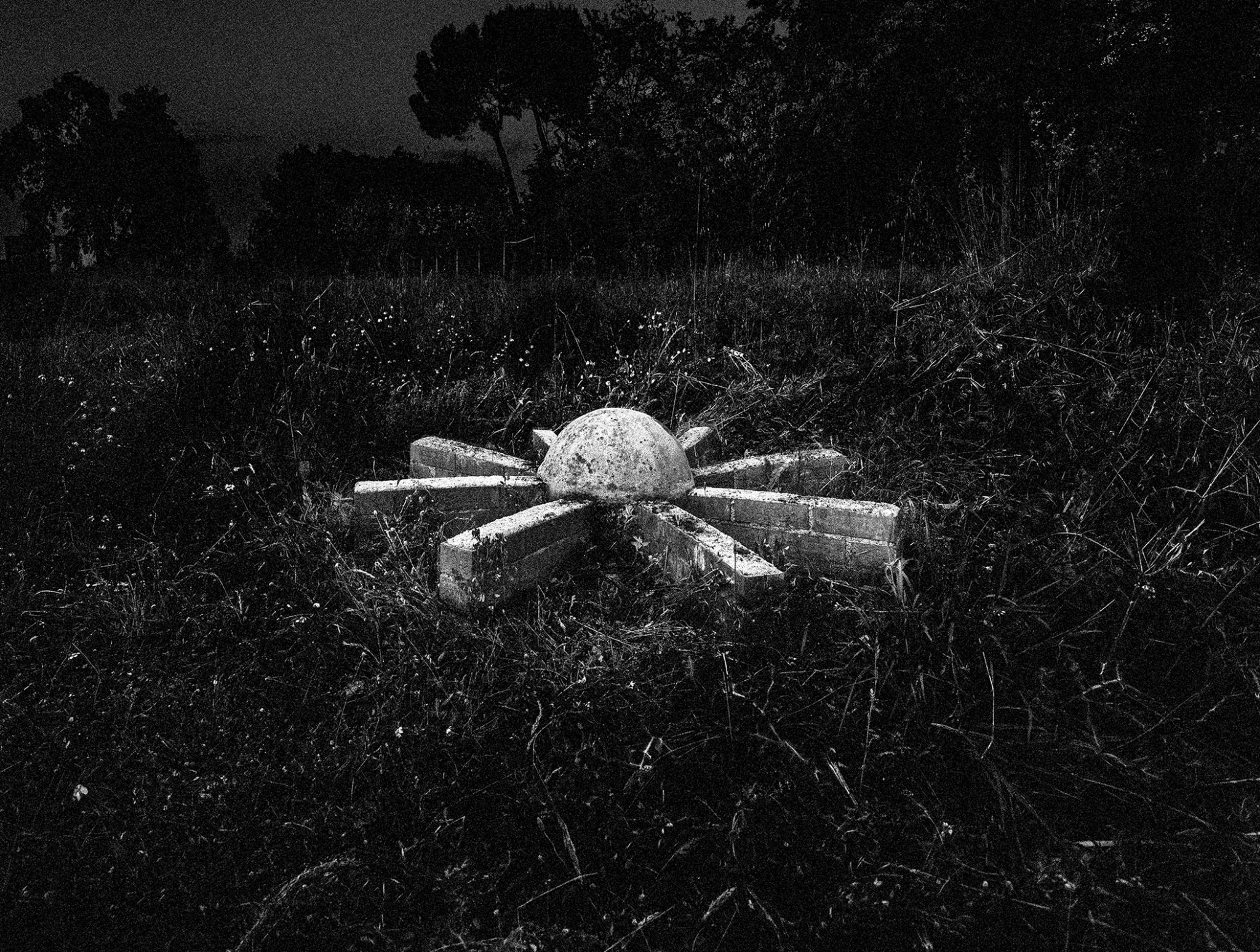
The Spanish Cultural Center in Buenos Aires and MUNTREF Contemporary Art Center present, at the Hotel de Inmigrantes, Representing Silence, an exhibition project featuring a photographic series by Spanish artist Nicolás Combarro. The project invites reflection—through architecture and memory—on the Francoist repression of Republicans in Spain and France. This research is supported by the Spanish Ministry of Culture and Sports.
The historical arc begins with the military uprising of July 1936 and the Spanish Civil War, extending to the late 1940s in the case of concentration camps—more than three hundred camps where over 700,000 prisoners were held—and, in the case of prison colonies and facilities for political detainees, up to the dictator’s death and the Amnesty Law of 1977.
The research also addresses the internment camp system in France, which began with the 1938 law targeting “undesirable” foreigners and lasted until the end of World War II in 1945. Spanish Republicans exiled from the Civil War were concentrated in these camps, initially in southern France and later dispersed across more than 200 repressive structures that existed throughout the country.
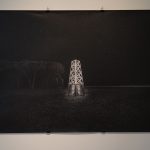
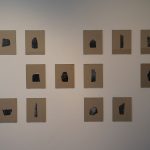
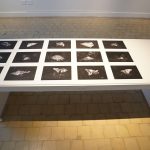
The photographic approach uses lighting to reveal remnants of these sites, now transformed into structures of memory, alongside archaeological elements and collages that reference monuments of Francoist repression.
Alongside the photographic series, the exhibition includes historical contextualization through reproductions and original period documents from Spain and France. These, together with explanatory texts, provide insight into a dark chapter in recent history: the repression of Spanish Republicans.
-
Curatorial text
Representing Silence is a project that reflects on architectures of repression in Spain and France within the broader European context of totalitarianism and fascism in the 1930s and 1940s.
The project begins with the Francoist repression system in Spain, starting from the military uprising of July 1936 and the Spanish Civil War, extending to the late 1940s in the case of concentration camps—over three hundred of which held more than seven hundred thousand prisoners. This network was further complemented by a system of penal colonies and prisons for political prisoners, which remained in place until the dictator’s death and the Amnesty Law of 1977.
The project also addresses the French internment camp system, which began with the 1938 law targeting “undesirable” foreigners and continued until the end of World War II in 1945. Spanish Republicans exiled by the Civil War were confined in these camps, initially in southern France and later distributed among more than two hundred repressive facilities throughout the country. Many of them ended up in forced labor camps or were deported to German concentration camps.
The project is divided into two parts. In its newly created component, the photographic approach uses projected light to reveal remnants of these structures, now turned into sites of memory. The artistic methodology intersects with and draws from archaeological work that has uncovered many of these sites, creating both a symbolic and material bridge to resist amnesia and silence. Other forms of representation of this repressive system are presented through collages and a 3D animation piece based on original blueprints of newly built concentration camps—blueprints that resemble others found in different countries with totalitarian political contexts.
Finally, the historical contextualization includes reproductions and original period photographs and documents from Spain and France. Alongside explanatory texts, these materials offer a deeper understanding of a dark chapter in recent history: the repression of Spanish Republicans, during a grim era marked by violent strategies of mass incarceration and ideological repression across various European countries.
-
Photo gallery
-

Venue
Center of Contemporary Art
-

-
- All rights reserved. 2026


